Eco-Friendly Landscaping Tips for a Sustainable Garden in Oviedo Apr 13, 2026
To start, understanding the basics of sustainable landscaping is essential. Eco-friendly gardening focuses on minimizing water usage, reducing chemical inputs, and promoting biodiversity. These principles not only help protect the environment but can also reduce maintenance costs and enhance the resilience of your garden.
One of the most effective ways to conserve water in your garden is by installing a rainwater harvesting system. Collecting rainwater for irrigation can significantly reduce your reliance on municipal water, which is particularly important during dry spells. By redirecting downspouts into rain barrels, you can capture a free source of water that is naturally soft and free of chemicals, providing optimal nourishment for your plants.
Choosing native plants is another crucial step in creating a sustainable garden in Oviedo. Local flora is naturally adapted to the climate and soil conditions, making them more drought-resistant and less dependent on fertilizers. Native plants like the Firebush, Coontie, and Southern Magnolia not only require less water but also attract beneficial wildlife, such as pollinators and birds, promoting a healthy, balanced ecosystem in your backyard.
Incorporating organic mulch is a simple yet effective practice to enhance soil fertility and retain moisture. Mulching around plant bases with materials such as wood chips, leaves, or grass clippings can prevent evaporation, discourage weed growth, and gradually improve soil structure as it decomposes. This leads to healthier plants that require less input over time, aligning with sustainable landscaping goals.
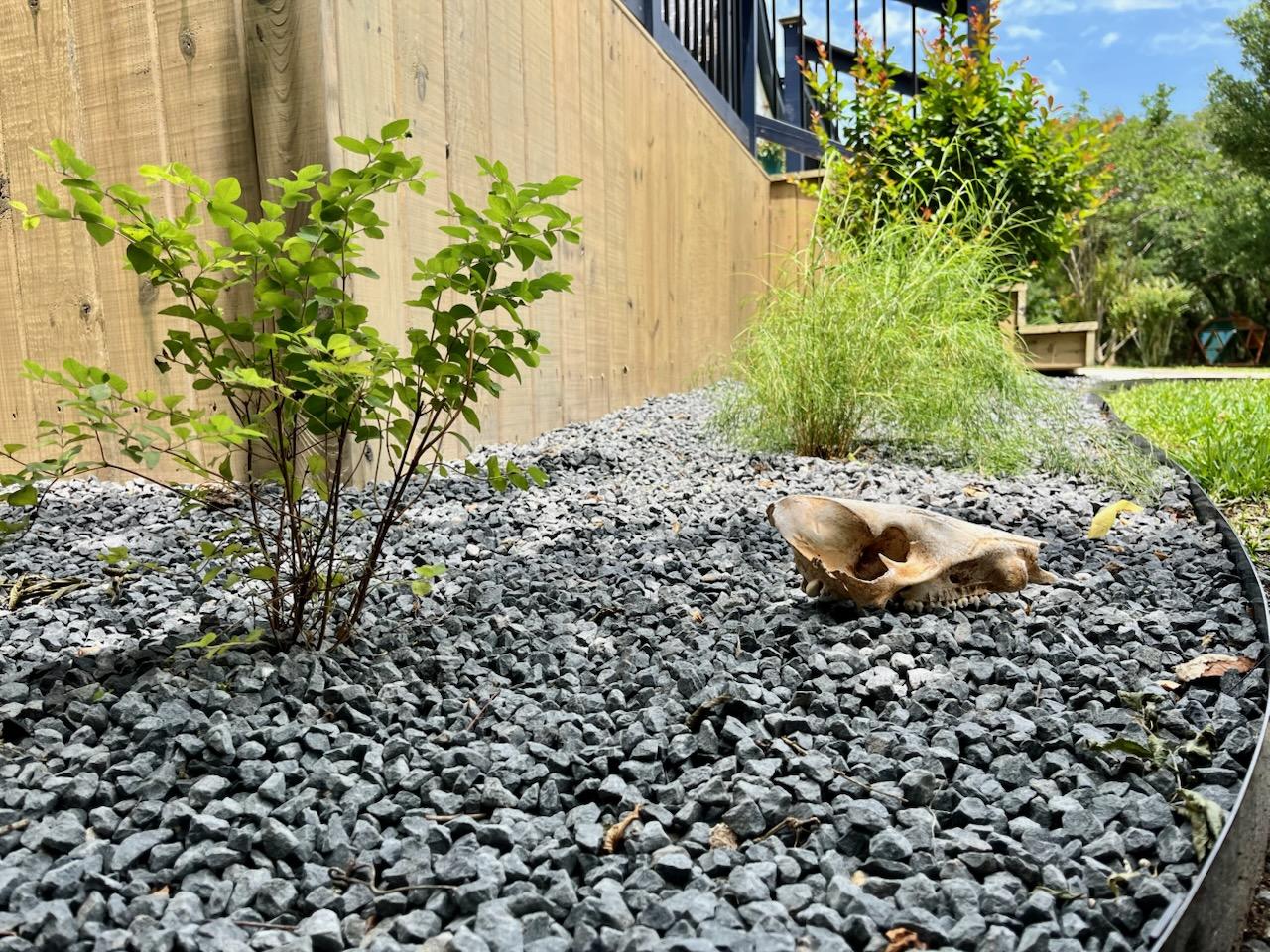
For those interested in a more structured landscape design, incorporating hardscaping elements can greatly enhance both aesthetics and functionality. Use permeable materials for patios and pathways to allow rainwater to seep into the ground rather than running off, which reduces erosion and improves groundwater recharge. Stone, gravel, and specific types of pavers are excellent options for this purpose.
Implementing a composting system is another valuable practice. Composting kitchen scraps and garden waste reduces landfill contributions and provides a rich, natural fertilizer that encourages strong plant growth. An efficient compost pile or bin can transform waste into valuable nutrients, ensuring your garden stays healthy and green without synthetic fertilizers.
Lastly, consider integrating low-maintenance plants and xeriscaping techniques to further reduce water needs and maintenance efforts. Xeriscaping involves carefully planning and designing your landscape to reduce or eliminate the need for irrigation. By selecting drought-tolerant species and grouping plants with similar water needs, you can create a visually appealing landscape that thrives with minimal water input.
In conclusion, creating an eco-friendly garden in Oviedo is not only achievable but rewarding. By implementing rainwater harvesting, selecting native plants, using organic mulch, considering permeable hardscapes, starting a compost pile, and incorporating xeriscaping, you can develop an attractive, sustainable landscape that benefits both the environment and your household. Oviedo Land & Garden is committed to supporting homeowners in their journey toward greener, more sustainable outdoor spaces. For personalized advice and landscape services, feel free to reach out to our team of experts.
/filters:no_upscale()/filters:format(webp)/media/b2e4c454-7d30-4b8c-91cb-cfbfb2caccf2.jpeg)