Essential Tips for Sustainable Landscaping in Your Community Apr 04, 2026
Begin by assessing your current landscape and identifying areas that require improvement. Conduct a site analysis to understand the various environmental conditions present, such as the sun exposure, soil type, and existing plant life. This initial step will guide your sustainable landscaping decisions, ensuring that they are tailored to the specific needs of your site.
One of the most impactful strategies in sustainable landscaping is the use of native plants. Native species are well-adapted to your local climate and soil conditions, significantly reducing the need for water, fertilizers, and pesticides. By selecting plants endemic to your area, you create a vibrant ecosystem that supports local wildlife, including pollinators such as bees and butterflies.
Water conservation is another critical component of sustainable landscaping. Implementing a drip irrigation system or using soaker hoses can minimize water waste by delivering moisture directly to the roots of the plants, where it's needed most. Additionally, consider installing a rainwater harvesting system. This eco-friendly initiative collects rainfall for reuse in garden irrigation, reducing dependency on municipal water supplies.
Composting is also an invaluable practice for any sustainable landscape. By recycling organic waste from your kitchen and garden, you can create a nutrient-rich compost that enhances soil health and reduces the need for chemical fertilizers. Rich, healthy soil not only supports robust plant growth but also helps retain moisture, further conserving water.
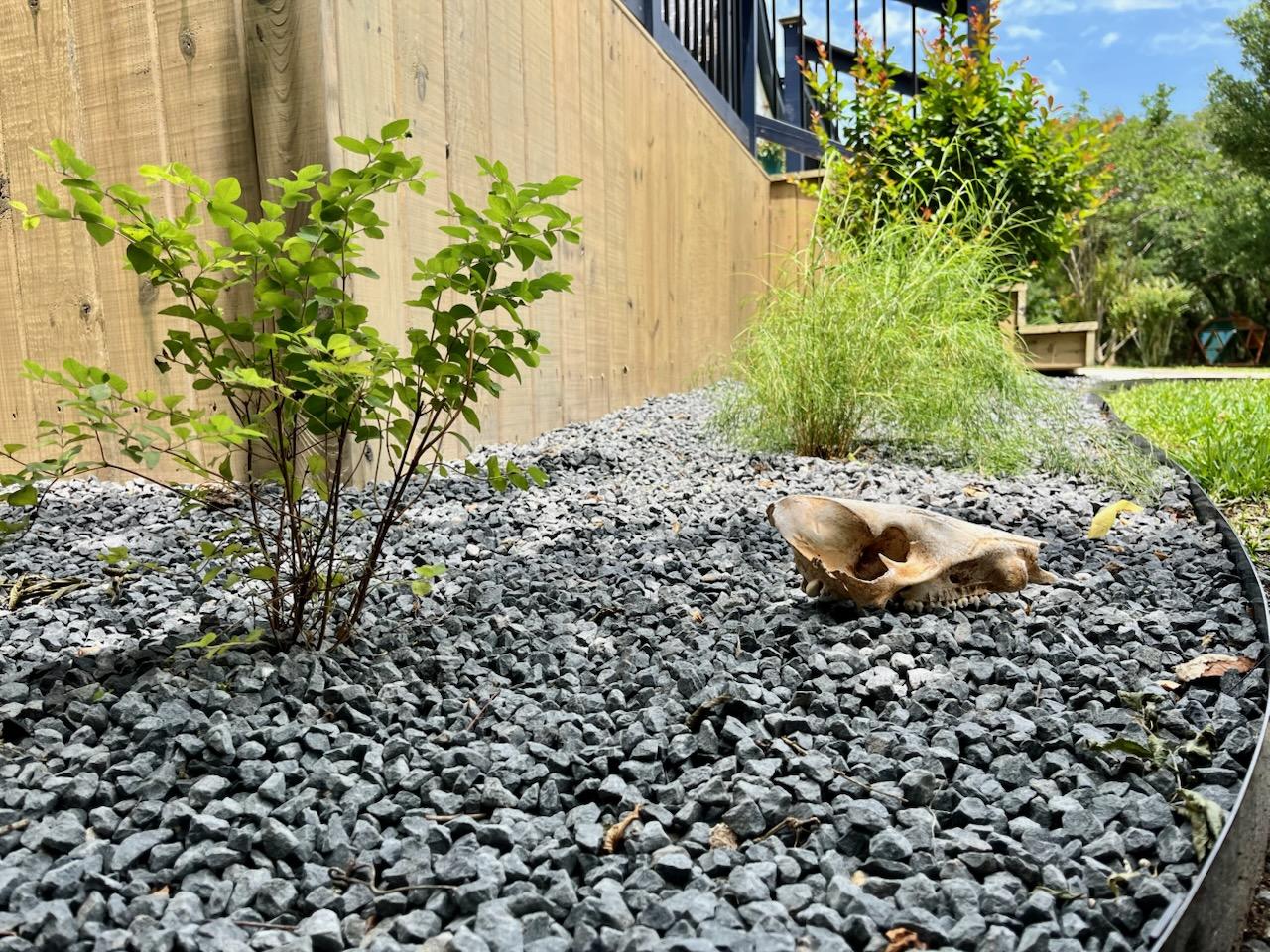
Hardscaping is another area where sustainable choices can make a significant difference. Opt for permeable materials like gravel or permeable pavers for path and driveway surfaces to reduce water runoff. These materials allow rainwater to percolate into the ground, replenishing aquifers and mitigating flooding risks. Strategic placement of hardscape elements can also help manage erosion on your property.
Incorporating sustainable practices often comes hand in hand with reducing energy consumption. Consider planting shade trees strategically around your home to lower cooling costs in the summer. Proper placement of deciduous trees can shield your home from the sun during warm months, while allowing sunlight to help heat your space in the winter.
Lastly, engage with your community through sustainable landscaping initiatives. Community gardens not only foster communal growth and learning but also underscore the importance of green spaces in urban planning. Share these practices with neighbors and participate in local environmental activities to further the impact of your sustainable efforts.
Sustainable landscaping is not only beneficial to the environment but also enhances the beauty and functionality of your outdoor space. By following these essential tips from Oviedo Land & Garden, you can contribute to a more sustainable community. These practices not only promote environmental health but also offer personal benefits such as reduced maintenance costs and a deeper connection to nature. Transitioning to a sustainable landscape may require effort upfront, but the rewards are profound, offering satisfaction that stems from knowing you are stewarding your environment wisely.
/filters:no_upscale()/filters:format(webp)/media/b2e4c454-7d30-4b8c-91cb-cfbfb2caccf2.jpeg)